Why Asians Spend More on Food as They Get Richer
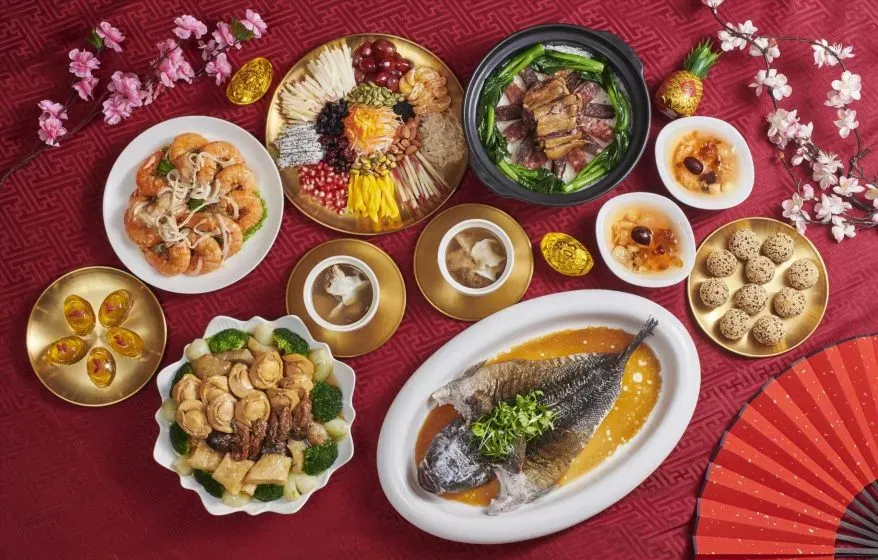
In classical economics, Engel's Law states that as household income rises, the percentage of income spent on food declines. While this holds true for basic sustenance, modern consumer behavior in Asian countries presents a fascinating deviation: as households enter the middle and upper classes, their absolute spending on dining and premium food experiences grows exponentially.
To understand this, one must look at the unique cultural significance of food in Asian societies. In the West, wealth displays often take the form of luxury vehicles, fashion, or real estate. In Asia, while those indicators exist, food is a primary medium for social capital and prestige.
Hosting a dinner is not merely a social gathering; it is an active demonstration of respect, relationship building, and hospitality. Offering guests rare ingredients, high-grade seafood, or dining at an exclusive establishment signals the host's esteem for their guests and their own social standing.
Additionally, food plays a central role in family cohesion and heritage preservation. Multi-generational gatherings almost always revolve around elaborate meals, where the quality of the food represents the care and prosperity of the family unit.
Rather than treating food as a utility, Asian consumers increasingly view dining as an investment in health, social bonds, and cultural identity. As a result, premium markets, organic ingredients, and high-end gastronomy continue to thrive, defying traditional economic models of saturation.